What Data Center Buyers Look for in Land: A Complete Guide for Landowners
Here's the uncomfortable truth about how the data center market works: most parcels are rejected before anyone ever calls the owner. Site selection teams screen hundreds of properties from a desk, and the majority are removed from the pile within the first few minutes of review.
The good news is that the screening criteria aren't secret. They're just rarely explained to the people who actually own the land. This guide walks through what buyers evaluate, in roughly the order they check it, so you can screen your own property the way a developer would and understand where your negotiating leverage really comes from.
Power comes first. Everything else is negotiable
Ask a site selector what kills more deals than anything else, and the answer is always the same: electricity. A modern data center campus can draw as much power as a small city, and in today's grid environment, securing that power is the hardest part of any project. Land that can get power quickly is scarce, and scarcity is what creates seven-figures-per-acre outcomes.
Proximity to transmission lines
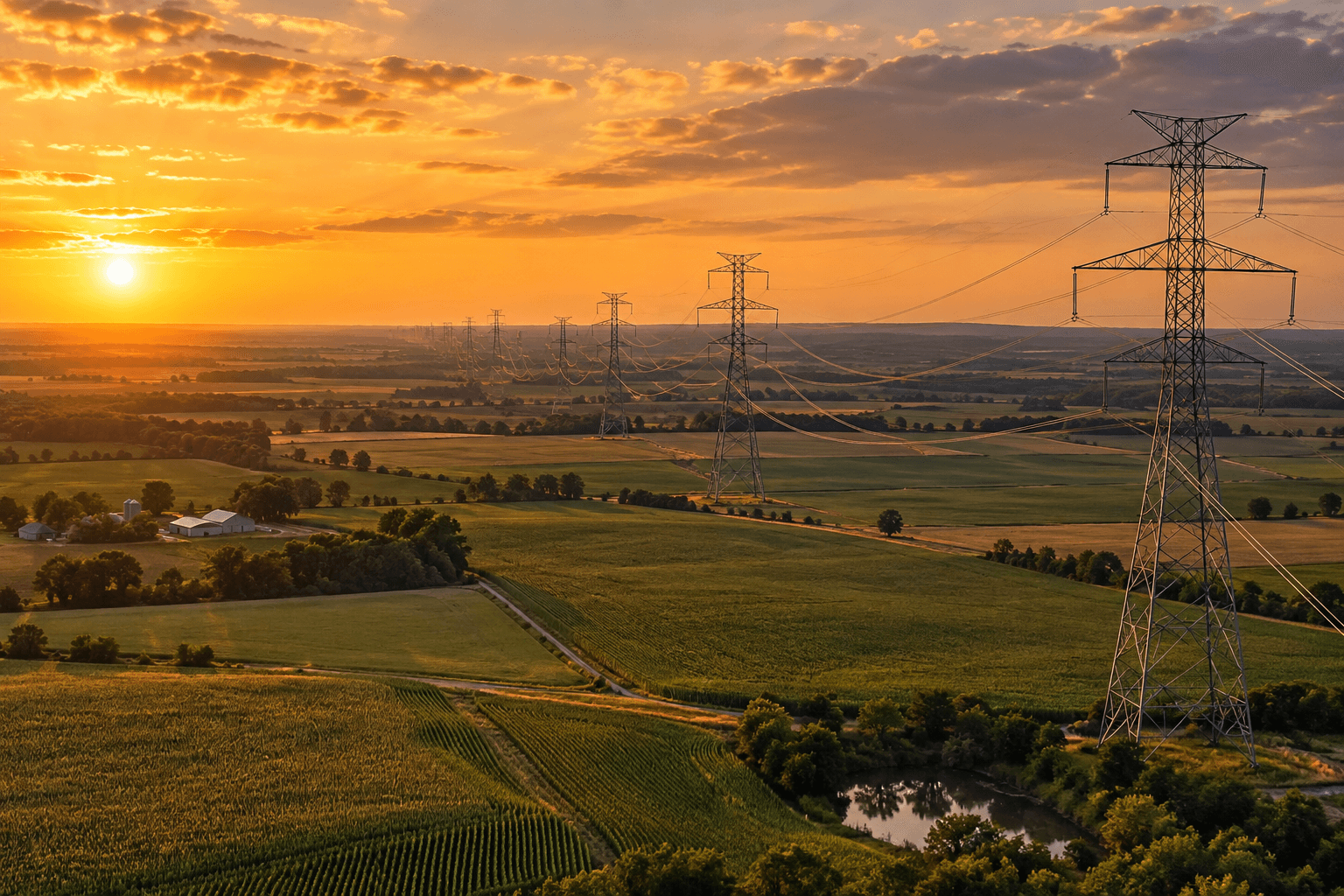
Not all power lines are equal. The distribution lines running along most rural roads (the ones feeding homes and farms) are essentially irrelevant to a data center buyer. What matters is high-voltage transmission: generally 115kV and above, with the largest projects targeting 230kV or 500kV corridors.
Distance matters because the buyer typically pays to build the connection. Every mile of new transmission line adds significant cost and, more importantly, time. New line construction can involve additional easements, permitting, and years of delay. A parcel adjacent to a major transmission corridor can be worth a multiple of an otherwise identical parcel five miles away.
Substations and the interconnection queue
Another criteria that decides whether deals live or die: being near power infrastructure does not mean you can get power.
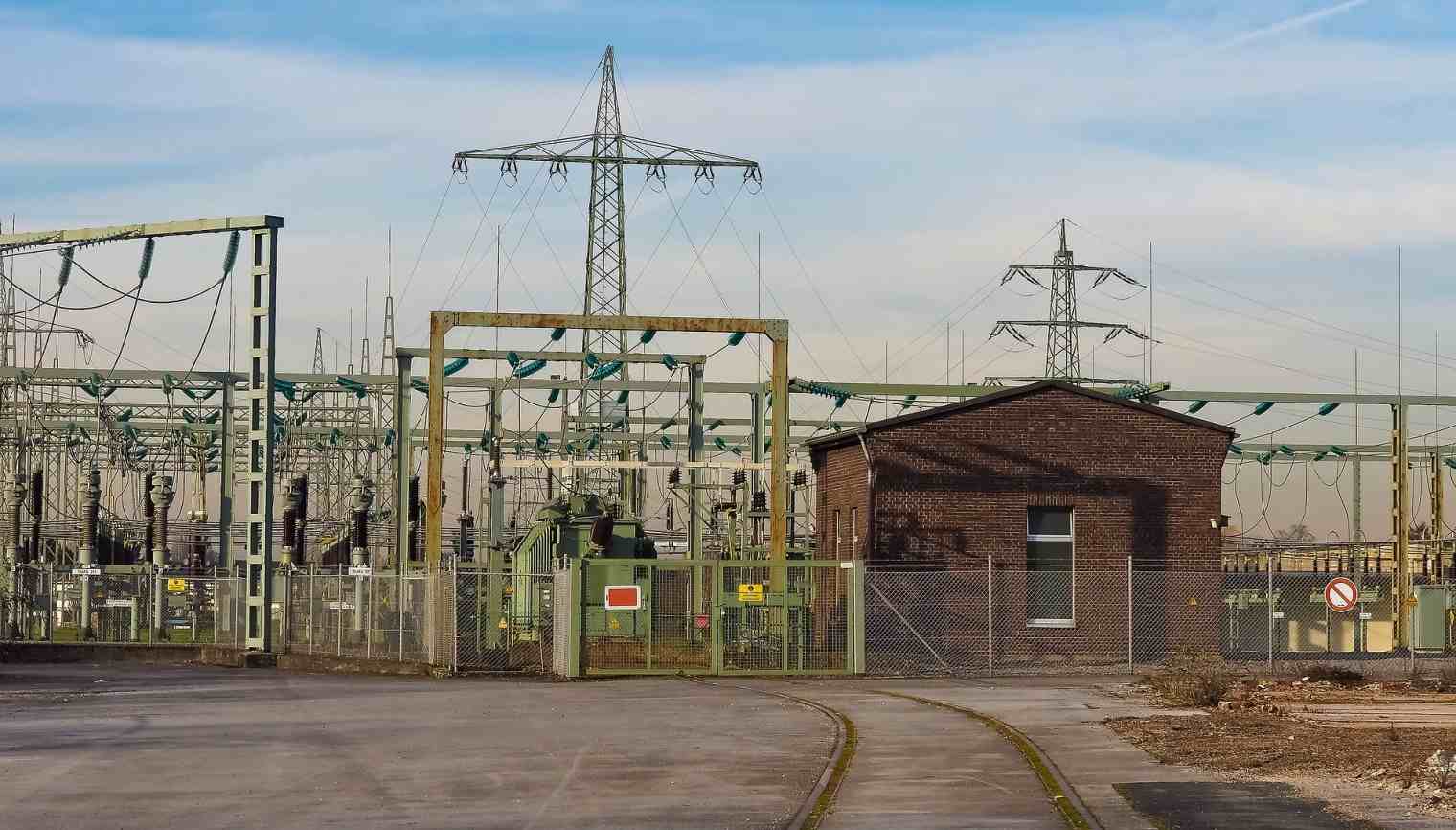
Utilities and regional grid operators maintain interconnection queues, or waiting lists of projects requesting new or expanded grid connections. In many regions, those queues stretch out years. A substation half a mile from your property might have no spare capacity, while a parcel further away in a different utility territory could be energized in a fraction of the time. Sophisticated buyers evaluate not just where the wires are, but how much unused capacity exists and how long the local utility's process takes.
This is also why the same acreage can receive wildly different offers. The buyer offering more may know something about local capacity that the others don't.
Fiber and network connectivity
A data center without connectivity is a very expensive warehouse. Buyers evaluate proximity to long-haul fiber routes (the backbone lines that typically follow interstates, railroads, and pipeline corridors) and the number of independent carriers available.
One nuance that separates informed sellers from everyone else: latency requirements vary enormously by workload. Facilities serving financial trading or real-time applications need to sit close to major network exchange points. But the segment driving most of today's land demand, AI training facilities, are far more tolerant of remote locations because their computing jobs don't require millisecond response times to end users. That's precisely why rural land with strong power access has become viable in ways it wasn't five years ago.
Water and cooling
Every data center generates enormous heat, and cooling it takes resources. Depending on design, a large campus can consume anywhere from zero to millions of gallons of water per day.
Traditional evaporative cooling is water-intensive, and in drought-prone regions, water has become a flashpoint that has stalled or killed proposed projects. In response, the industry is shifting toward air-cooled and closed-loop liquid designs that trade water consumption for higher power draw.
For your property, this means two things. First, documented water access: municipal supply, wells with strong yields, or surface water rights is an asset worth surfacing early. Second, if water is scarce in your area, it's not necessarily disqualifying anymore, but expect the buyer's design assumptions (and their offer) to reflect it.
The land itself: topography, soils, and flood risk
Data center buildings are enormous, heavy, and flat. The ideal site is level or gently sloping ground with stable, well-draining soils outside any flood zone. For hilly lands, clearing a data center site will cost money and time: wooded land means clearing costs, rock near the surface means blasting. Before serious money changes hands, buyers will run geotechnical studies.
Zoning, entitlements, and the local politics nobody warns you about
Two identical parcels can differ in value by multiples based on a single question: can a data center be built there by right, or does the project need rezoning and public approval?
By-right industrial or appropriately zoned land lets a developer start permitting immediately. Land requiring rezoning introduces a public process: hearings, comment periods, county votes that adds a year or more of timeline and, increasingly, real risk. Community opposition to data centers has intensified sharply, with residents organizing around noise, viewsheds, water use, and grid impact. Buyers now formally screen for "approval risk," and some will pay meaningful premiums for entitled land simply to avoid the fight.
Practical implications for you: know your current zoning and your county's comprehensive plan. If your land sits in an area a county has designated for industrial or technology growth, that designation is worth money. And if a buyer offers to purchase contingent on rezoning, understand that you may be tying up your property for a long approval process. The structure of that contingency deserves as much attention as the price.
Clean title and environmental clearance
The quiet deal-killers rarely appear until due diligence, but they're knowable in advance:
- Easements — pipeline, utility, and access easements can carve up buildable area and restrict construction.
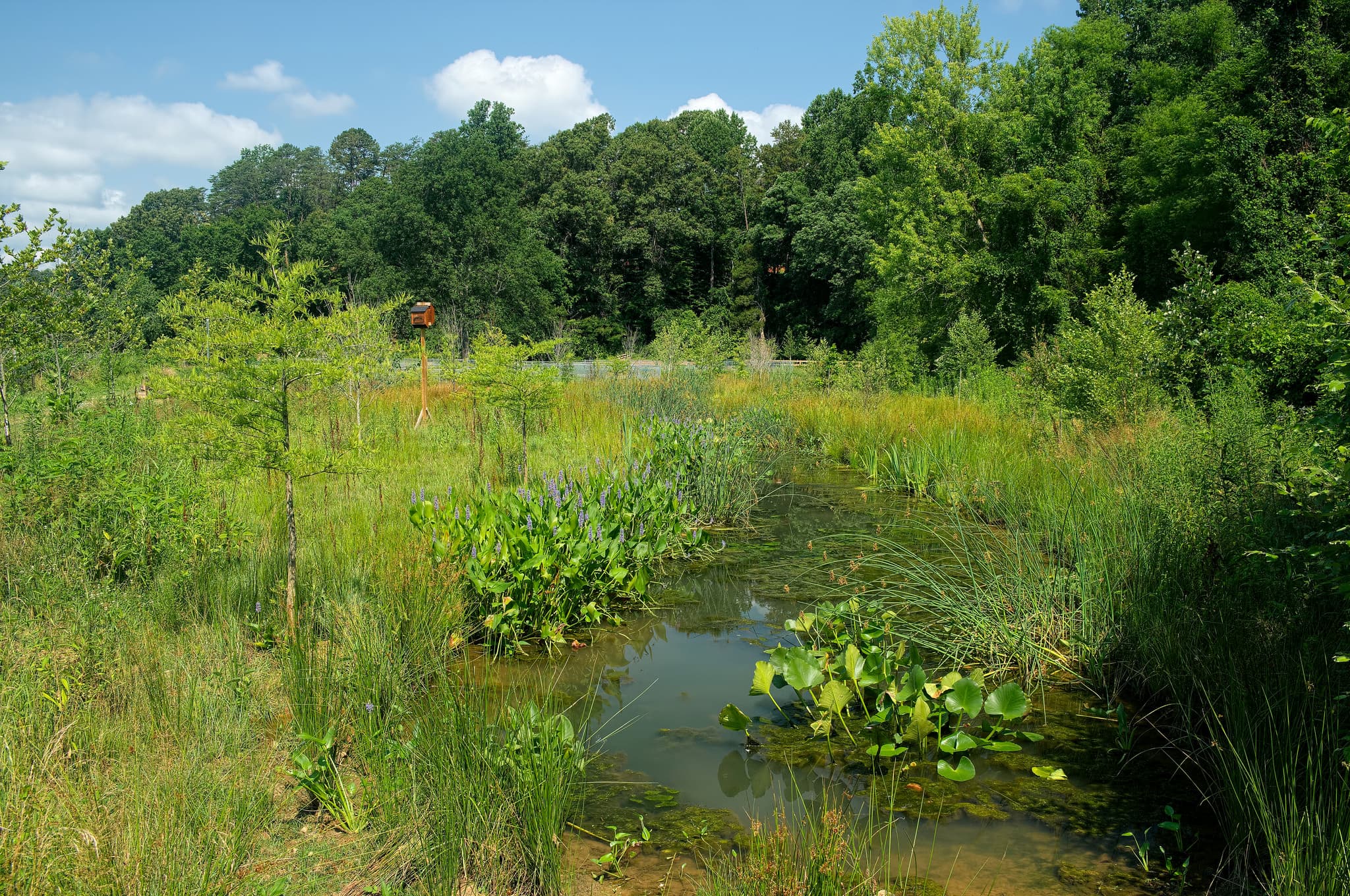
- Wetlands — federally protected wetlands can render portions of a site unbuildable or trigger lengthy permitting. National wetlands inventory maps offer a first look, though formal delineation requires a specialist.
None of these automatically kills a deal. But every one of them discovered by the buyer during diligence becomes a price reduction. Every one you identify and address before going to market increases the value of the property. That asymmetry is one of the strongest arguments for preparing a property professionally rather than reacting to an unsolicited offer.
Location and market context
Finally, the macro layer: buyers think in markets, not just parcels. Proximity to established data center clusters brings existing fiber density, an experienced labor pool, and utilities accustomed to large interconnection requests. At the same time, capacity constraints in the biggest hubs are pushing developers into emerging markets, which is exactly why landowners far from any existing cluster are receiving letters for the first time.
State and local incentives (sales tax exemptions on equipment, in particular) and regional power costs also shape where developers hunt. If your state has recently passed data center incentive legislation, expect activity to follow.
Frequently asked questions
How close does my land need to be to power lines?
There's no universal cutoff, but proximity to transmission-level lines (115kV and above) within roughly a mile or two is when buyers get seriously interested. Distribution lines serving homes don't qualify. Capacity matters as much as distance; a nearby substation with no spare capacity may be worth less than a farther one with room.
What size property do data centers need?
It varies by facility type. Smaller colocation and edge facilities can work on 10–30 usable acres; hyperscale campuses typically seek 100 acres or more, often much more. Smaller parcels can still participate as part of a multi-owner assemblage.
Can farmland be sold to a data center?
Yes. Much of the current wave of development is happening on former agricultural land, which tends to be flat, cleared, and available in large contiguous tracts. Rezoning is usually required, which affects timeline and deal structure.
Should I accept an unsolicited offer for my land?
Treat an unsolicited offer as information, not a verdict. It tells you someone believes your land has value for this use and the party that identified that value first rarely leads with their best number. Understanding why your parcel screened well is the key to knowing what it's actually worth.
Wondering how your property screens against these criteria? We'll run the evaluation for free - see the intake form here.